
Our Patients’ Progress
We see Measurement-Based Care as one of the most effective ways to ensure patient progress, evaluating treatment approaches and plans, and making sure that patients are getting their money’s worth!
By completing self-report surveys periodically throughout your treatment, you and your clinician will have the opportunity to review objective representations of your symptoms over time. This collaborative review process aims to help better inform your treatment.
See below for more details about the benefits of Measurement-Based Care
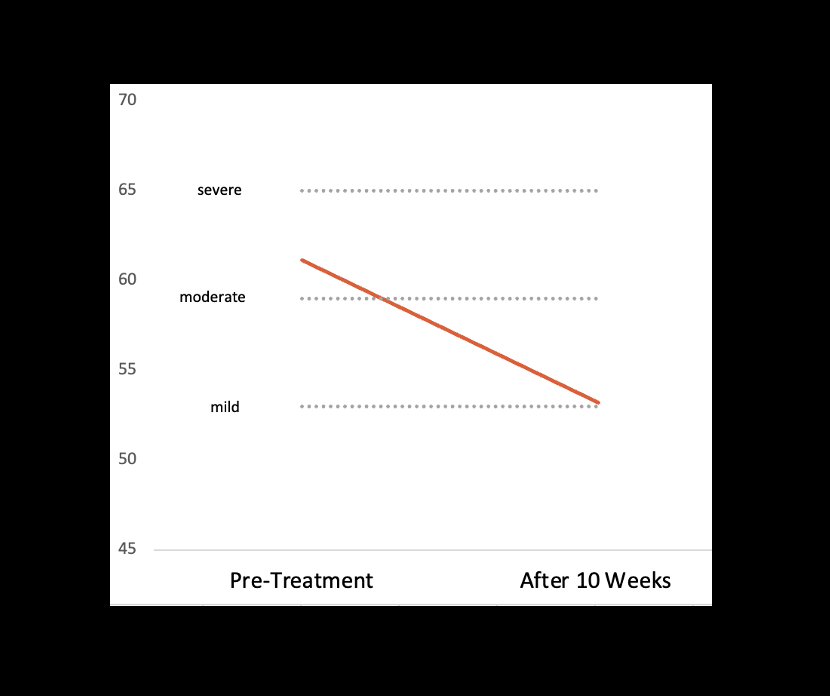
Depression Symptoms
The 8-item PROMIS Depression Short Form assesses the pure domain of
anxiety in individuals age 18 and older. The measure is completed by the individual prior to a visit with the clinician and asks about experiences in the week prior.
Pilkonis, P. A., Choi, S. W., Reise, S. P., Stover, A. M., Riley, W. T., Cella, D., & PROMIS Cooperative Group. (2011). Item banks for measuring emotional distress from the Patient-Reported Outcomes Measurement Information System (PROMIS®): depression, anxiety, and anger. Assessment, 18(3), 263-283.
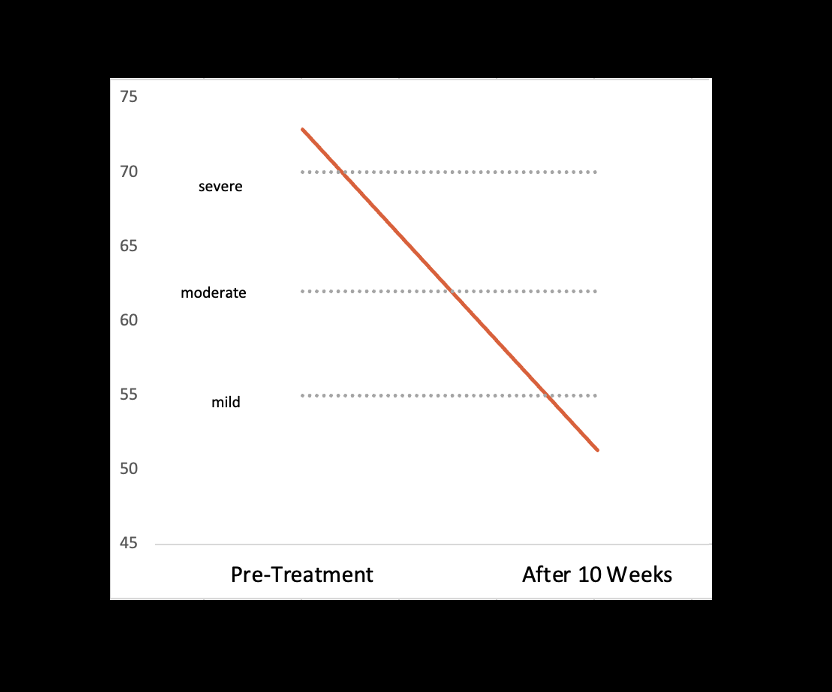
Anxiety Symptoms
The 7-item PROMIS Anxiety Short Form assesses the pure
domain of depression in individuals age 18 and older. The measure is completed by the individual prior to a visit with the
clinician and asks about experiences in the week prior.
Pilkonis, P. A., Choi, S. W., Reise, S. P., Stover, A. M., Riley, W. T., Cella, D., & PROMIS Cooperative Group. (2011). Item banks for measuring emotional distress from the Patient-Reported Outcomes Measurement Information System (PROMIS®): depression, anxiety, and anger. Assessment, 18(3), 263-283.
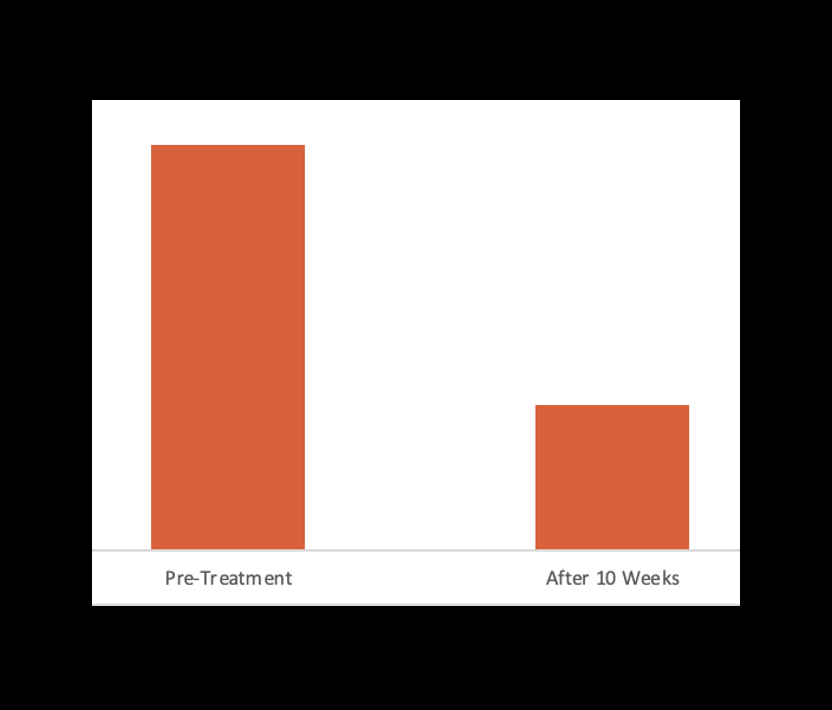
Symptom Impact on Life (Disability)
The standard Sheehan Disability Scale (SDS) assesses functional impairment in three major life domains: work, social life/leisure activities, and family life/home responsibilities.
Sheehan DV, Harnett-Sheehan K, Raj BA (1996). The measurement of disability. Int Clin Psychopharmacol 11 (Suppl 3):89–95. PDF: http://journals.lww.com/intclinpsychopharm/Abstract/1996/06003/The_measurement_of_disability.15.aspx
“Success is to be measured not so much by the position that one has reached in life as by the obstacles which he has overcome while trying to succeed.”

Booker T. Washington
Measurement-Based Care (MBC) is an evidence-based approach to healthcare where patient progress is tracked through standardized assessments, providing tangible data to guide clinical decisions. Here are some key benefits:
- Personalized Treatment: MBC allows clinicians to tailor interventions to the specific needs of the patient, adjusting treatment based on real-time data. This leads to more individualized care and better patient outcomes.
- Objective Progress Tracking: By using standardized measures, MBC provides an objective view of a patient’s progress, reducing reliance on subjective interpretations. This clarity helps in identifying what works and what doesn’t in a treatment plan.
- Improved Outcomes: Studies show that MBC leads to better clinical outcomes, including higher treatment success rates and lower relapse rates. Continuous monitoring ensures timely intervention if progress stalls or worsens.
- Increased Patient Engagement: Regular assessment helps patients see their own progress or challenges more clearly, fostering a sense of ownership and engagement in their care, which can enhance motivation for adhering to treatment.
- Enhanced Communication: MBC provides a structured way for clinicians and patients to discuss progress. It creates a common language and framework for discussing symptoms, goals, and treatment effectiveness.
- Accountability and Standardization: MBC promotes accountability for both clinicians and patients by relying on data-driven insights. It helps standardize care processes, ensuring that best practices are consistently applied.
- Cost Efficiency: By optimizing treatment plans based on data, MBC can reduce unnecessary or ineffective treatments, leading to more efficient use of healthcare resources and potentially lower costs over time.
In summary, MBC offers a proactive, data-driven approach to healthcare, improving the accuracy, effectiveness, and efficiency of treatments while fostering better collaboration between patients and providers.
 Tulsa Psychotherapy Collective